
About Co2llect
Innovation Fund: Grant agreement for CO2LLECT signed
On March 7, 2025, the EU and Cemex signed the so-called “Grant Agreement” for the funding of the largest CCS project in the global Cemex Group, called “CO2LLECT”. It is also currently the largest CCS project in eastern Germany. The funding is provided by the Innovation Fund. This fund is financed by the revenue stream from emission certificates and reinvests the money in innovative projects for CO₂ reduction. The impressive funding sum for CO2LLECT amounts to a total of 157 million euros. The project period runs from 2025 to 2030. The successful application supports the prospect of long-term stability for the Rüdersdorf cement plant.
What is CO2LLECT?
A groundbreaking CO₂ capture and storage (CCS) project at Cemex’s Ruedersdorf cement plant, Eastern Germany. In partnership with Linde, CO₂LLECT captures and liquefies 1.3 million tons of CO₂ per year.

01 Timeline: 2025–2030
A five-year transformation plan to decarbonize Cemex’s Ruedersdorf cement plant – with full CCS operations expected by 2030.
02 Technology: Linde HISORP® CC
A cutting-edge adsorptive-cryogenic process, which isolates CO₂ from the flue gas stream.
03 Project Goal
To capture 1.3 million tons of CO₂ annually and set a new standard for low-carbon cement production in Europe.

Project description
CO2LLECT
CO2LLECT is a gigantic transformation project for CO₂ capture at the Ruedersdorf cement plant. Within the project, Cemex is working with Linde as an external partner. Linde, a leading global industrial gases and engineering company, specializes in CO₂ capture technology and is expected to build, own and operate a carbon capture and liquefaction plant at the Rüdersdorf cement plant site.
The new plant aims to capture, liquefy and purify around 1.3 million tons of CO₂ from cement production every year. The liquid CO₂ will then be loaded into specially manufactured tank wagons and transported by rail to an intermediate CO₂ hub before being shipped to an offshore storage facility in the North Sea.

CO2LLECT aims at integrating sustainability at every step planned in the project:
- Supported by regional renewable energy
- Purifies exhaust condensate to release clean water into Lake Stienitz
- Creates a net water-positive industrial site
- Recycles process water from CO₂ separation to reduce overall environmental footprint
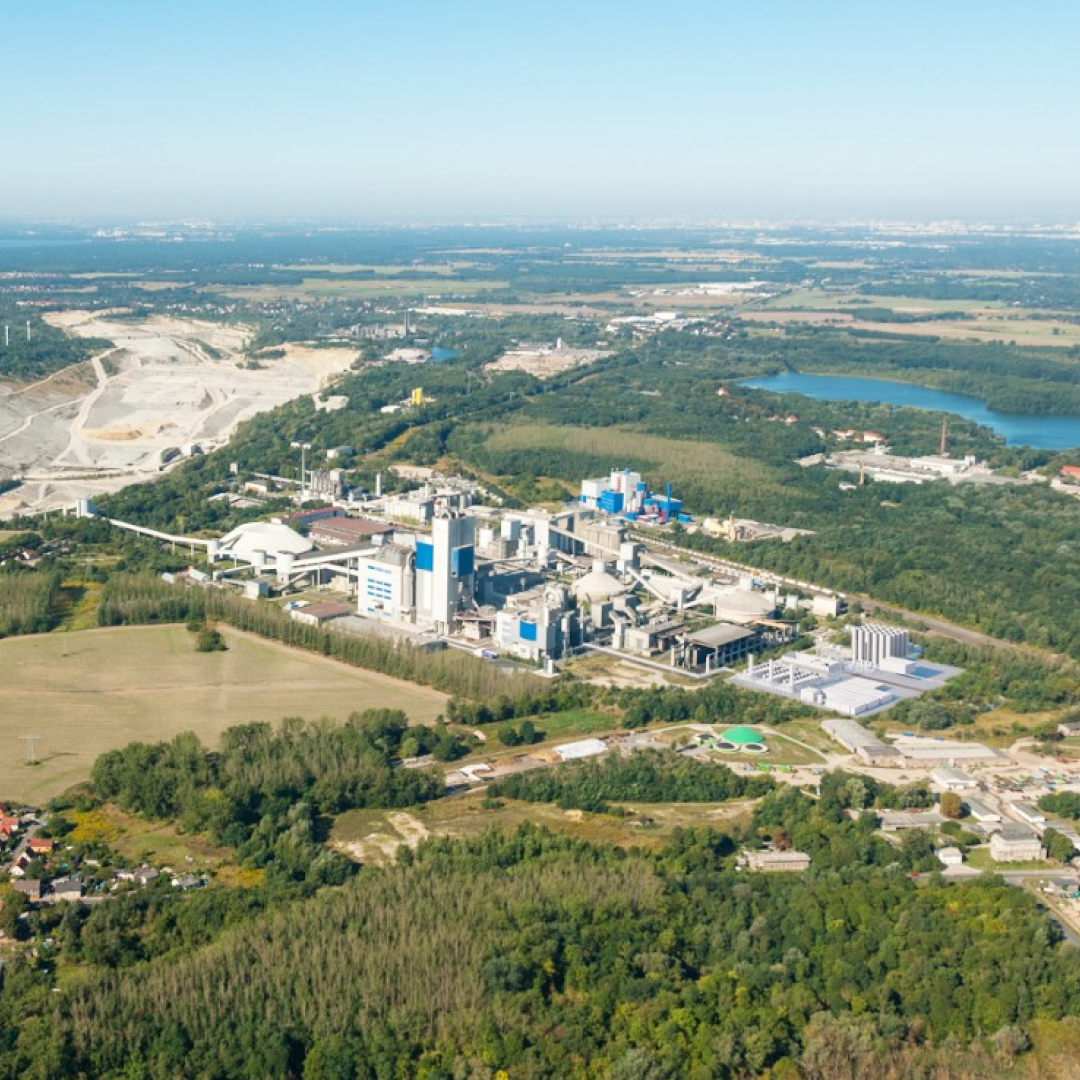
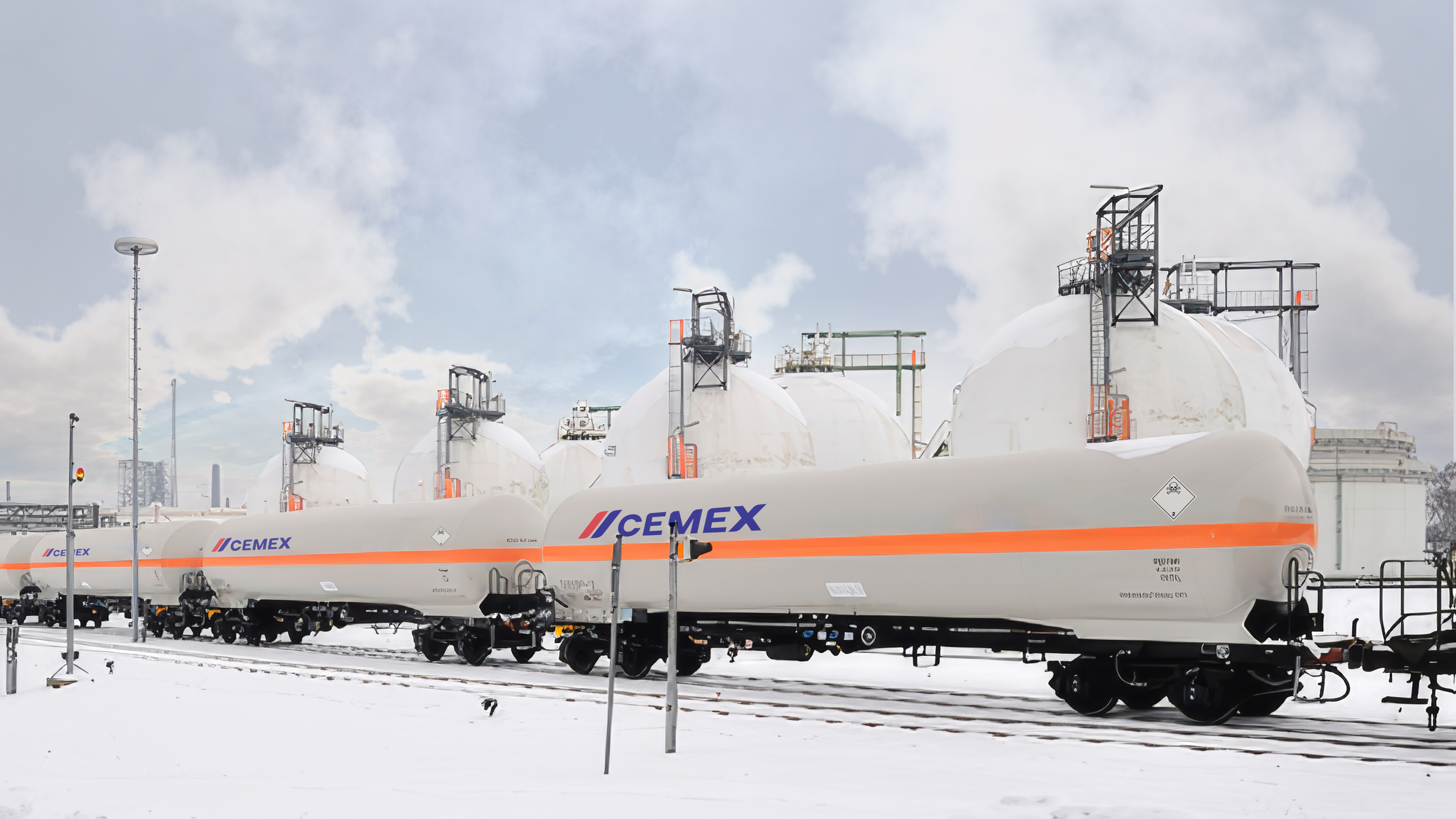
The project is supported by regional renewable energy and sustainable recycling of the water extracted from the exhaust gas condensate. What makes CO2LLECT special is that part of the exhaust gas stream, which would otherwise escape in gaseous form through the chimney, is liquefied and converted into water. This process water is purified in a wastewater treatment plant and processed to such a high standard that it meets the purity criteria for discharge into Lake Stienitz. This makes the Rüdersdorf cement plant water-positive, i.e. it discharges more water into the lake than it extracts.
Overall, CO2LLECT requires a lot of energy. With the separation plant, the cement plant needs three times as much energy as it does today. To meet this demand, CO2LLECT is dependent on new energy supplies, including both regional renewable energy and a medium-term grid expansion.
The project schedule envisages that the preliminary studies and approval processes will be completed by mid/end 2027. Construction of the capture plant is scheduled to begin in 2028 and is expected to be completed in the first quarter of 2030. This means that the CCS project could start here as early as mid-2030.
1300000
t
Captured tons of CO₂ per year – target of the Ruedersdorf cement plant
2030
CO₂-neutral cement by 2030 - Cemex target for its flagship CCS project in Ruedersdorf
157
mil €
Funding provided by the Innovation Fund for CO2LLECT - CCS project in Ruedersdorf